logo
Good price  online

products details

Created with Pixso. Home Created with Pixso. Products Created with Pixso.
Alloy Aluminium Sheet
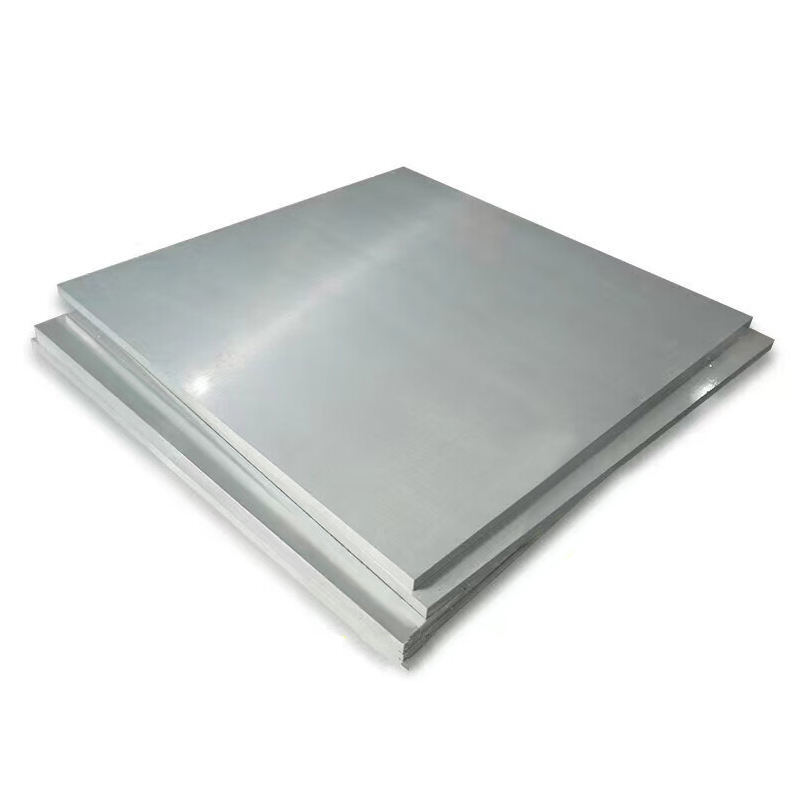
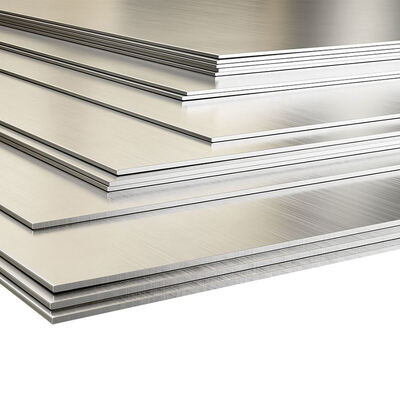
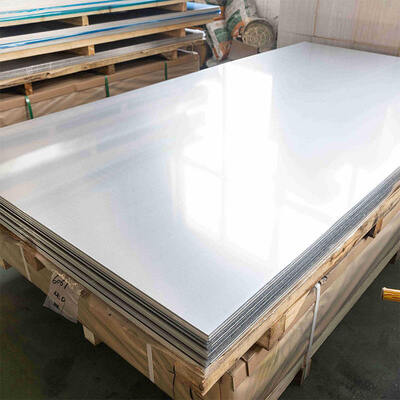
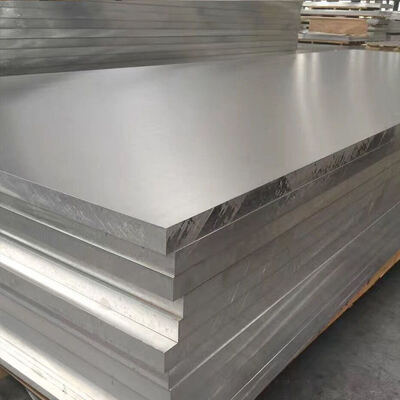
Created with Pixso. Lightweight High Corrosion Resistance Aluminum Alloy Plate Sheet with Customizable Processing for Aerospace and Marine Applications

Lightweight High Corrosion Resistance Aluminum Alloy Plate Sheet with Customizable Processing for Aerospace and Marine Applications

Brand Name: Sylaith
Model Number: 5000 Series
MOQ: 1 Ton
Price: Negotiable
Delivery Time: 7-14 days
Payment Terms: T/T,L/C
Detail Information
Place of Origin:
China
Certification:
ISO9001, MTC
Type:
Plate
Temper:
O~H112
Technique:
Cold Rolled/ Hot Rolled
Material:
1050/1060/1100/3003/3004/5005/5052/5083/3005/8011
Standard:
ASTM AISI JIS DIN GB
Material Properties:
High Corrosion Resistance
Size:
According To Requirements
Alloy Or Not:
Is Alloy
Processing Service:
Bending, Decoiling, Cutting, Welding, Punching
Packaging Details:
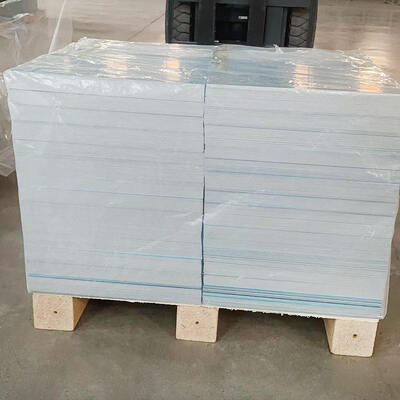
Standard seaworthy package or as customers required
Supply Ability:
50000 Ton Per Year
Highlight:

High Corrosion Resistance Aluminum Alloy Plate

,

Lightweight Aluminum Alloy Sheet

,

Customizable Processing Aluminum Plate

Product Description
Aluminum Alloy Plate Sheet
Aluminum alloy plate sheet is a lightweight metal material widely used in aerospace, marine, transportation, construction, and industrial manufacturing. Available in multiple alloy grades including 1050, 1060, 3003, 5052, 5083, 6061, and 7075, these plates provide different combinations of corrosion resistance, strength, machinability, and formability for various engineering requirements.
Manufactured according to international standards such as ASTM, EN, JIS, and GB, aluminum alloy plates can be supplied with customized thickness, width, length, surface finish, and processing services including cutting, bending, welding, and CNC machining.
Why Choose Aluminum Alloy Plates
Lightweight Structures
Many transportation and aerospace applications require weight reduction while maintaining sufficient mechanical strength. Aluminum alloy has a density of approximately 2.7 g/cm³, significantly lower than steel materials.
Corrosion Resistance
Outdoor and marine equipment are exposed to moisture, saltwater, and industrial atmosphere. Certain aluminum alloys such as 5052 and 5083 provide enhanced corrosion resistance for harsh environments.
Strength Requirements
Various applications require different mechanical properties:
  • Pure aluminum for conductivity and forming
  • Magnesium alloys for corrosion resistance
  • Heat-treated alloys for higher strength
Aluminum Alloy Series Overview
1000 Series Aluminum Plate
Examples: 1050, 1060
  • High aluminum purity
  • Excellent electrical conductivity
  • Good formability
Suitable for general industrial applications.
3000 Series Aluminum Plate
Example: 3003
  • Improved strength compared with pure aluminum
  • Good corrosion resistance
  • Easy fabrication
5000 Series Aluminum Plate
Examples: 5052, 5083
  • Excellent corrosion resistance
  • Good weldability
  • Suitable for marine environments
6000 Series Aluminum Plate
Examples: 6061, 6063
  • Good machinability
  • Medium-high strength
  • Suitable for structural components
7000 Series Aluminum Plate
Examples: 7075
  • Very high strength
  • Used for aerospace and high-performance components
Technical Specifications
Item Specification
Product Name Aluminum Alloy Plate Sheet
Alloy Grade 1050 / 1060 / 3003 / 5052 / 5083 / 6061 / 7075
Temper O / H12 / H14 / H24 / H32 / H111 / T6
Standard ASTM B209 / EN 485 / JIS / GB
Thickness 0.5mm - 200mm
Width 1000mm - 2500mm
Length Customized
Surface Finish Mill Finish / Polished / Brushed
Processing Service Cutting / Bending / Welding / Punching
Production Method Cold Rolled / Hot Rolled
Packaging Standard Seaworthy Packing
Applications
Aerospace Industry
Common materials: 2024, 6061, 7075
  • Aircraft structures
  • Aerospace components
  • Precision parts
Marine Industry
Common materials: 5052, 5083, 5086
  • Ship hulls
  • Marine platforms
  • Offshore equipment
Transportation Industry
  • Railway components
  • Truck bodies
  • Vehicle panels
  • Lightweight structures
Industrial Equipment
  • Machinery parts
  • Pressure equipment
  • Fabrication structures
  • Chemical equipment
Performance Properties
Alloying Elements
Different elements improve specific properties:
Element Effect
Magnesium Improves corrosion resistance and strength
Silicon Improves casting and machinability
Copper Increases strength
Zinc Provides high-strength characteristics
Temper Treatment
Heat treatment and cold working adjust hardness, tensile strength, and formability.
For example:
  • H32: Work hardened and stabilized
  • H116: Marine corrosion-resistant condition
  • T6: Solution heat treated and artificially aged
Selection Guide
Application-Based Selection
Application Recommended Alloy
General fabrication 1050 / 1060
Decoration and forming 3003
Marine equipment 5083 / 5086
Vehicle structures 5052 / 6061
Machining parts 6061
Aerospace high strength parts 7075
Strength Requirements
  • Low strength applications: 1050, 1060
  • Medium strength applications: 5052, 6061
  • High strength applications: 7075
Processing Requirements
Before ordering, confirm:
  • Thickness tolerance
  • Surface requirement
  • Welding requirements
  • Cutting size
  • Mechanical properties
Frequently Asked Questions
What aluminum alloy grades are available?
Common grades include 1050, 1060, 3003, 5052, 5083, 6061, and 7075.
What is the difference between 5052 and 5083 aluminum plate?
5052 provides good corrosion resistance and formability, while 5083 has higher strength and is more commonly used for marine structures.
Is aluminum plate suitable for outdoor applications?
Yes. Aluminum naturally forms an oxide layer that helps protect the surface from atmospheric corrosion.
Can aluminum plates be customized according to drawings?
Yes. Aluminum plates can be processed through cutting, bending, welding, punching, and CNC machining according to customer requirements.
What standards can aluminum alloy plates meet?
Common standards include ASTM B209, EN 485, JIS, and GB/T aluminum plate standards.
Product Gallery
Good price  online

Products Details

Created with Pixso. Home Created with Pixso. Products Created with Pixso.
Alloy Aluminium Sheet
Created with Pixso. Lightweight High Corrosion Resistance Aluminum Alloy Plate Sheet with Customizable Processing for Aerospace and Marine Applications

Lightweight High Corrosion Resistance Aluminum Alloy Plate Sheet with Customizable Processing for Aerospace and Marine Applications

Brand Name: Sylaith
Model Number: 5000 Series
MOQ: 1 Ton
Price: Negotiable
Packaging Details: Standard seaworthy package or as customers required
Payment Terms: T/T,L/C
Detail Information
Place of Origin:
China
Brand Name:
Sylaith
Certification:
ISO9001, MTC
Model Number:
5000 Series
Type:
Plate
Temper:
O~H112
Technique:
Cold Rolled/ Hot Rolled
Material:
1050/1060/1100/3003/3004/5005/5052/5083/3005/8011
Standard:
ASTM AISI JIS DIN GB
Material Properties:
High Corrosion Resistance
Size:
According To Requirements
Alloy Or Not:
Is Alloy
Processing Service:
Bending, Decoiling, Cutting, Welding, Punching
Minimum Order Quantity:
1 Ton
Price:
Negotiable
Packaging Details:
Standard seaworthy package or as customers required
Delivery Time:
7-14 days
Payment Terms:
T/T,L/C
Supply Ability:
50000 Ton Per Year
Highlight:

High Corrosion Resistance Aluminum Alloy Plate

,

Lightweight Aluminum Alloy Sheet

,

Customizable Processing Aluminum Plate

Product Description
Aluminum Alloy Plate Sheet
Aluminum alloy plate sheet is a lightweight metal material widely used in aerospace, marine, transportation, construction, and industrial manufacturing. Available in multiple alloy grades including 1050, 1060, 3003, 5052, 5083, 6061, and 7075, these plates provide different combinations of corrosion resistance, strength, machinability, and formability for various engineering requirements.
Manufactured according to international standards such as ASTM, EN, JIS, and GB, aluminum alloy plates can be supplied with customized thickness, width, length, surface finish, and processing services including cutting, bending, welding, and CNC machining.
Why Choose Aluminum Alloy Plates
Lightweight Structures
Many transportation and aerospace applications require weight reduction while maintaining sufficient mechanical strength. Aluminum alloy has a density of approximately 2.7 g/cm³, significantly lower than steel materials.
Corrosion Resistance
Outdoor and marine equipment are exposed to moisture, saltwater, and industrial atmosphere. Certain aluminum alloys such as 5052 and 5083 provide enhanced corrosion resistance for harsh environments.
Strength Requirements
Various applications require different mechanical properties:
  • Pure aluminum for conductivity and forming
  • Magnesium alloys for corrosion resistance
  • Heat-treated alloys for higher strength
Aluminum Alloy Series Overview
1000 Series Aluminum Plate
Examples: 1050, 1060
  • High aluminum purity
  • Excellent electrical conductivity
  • Good formability
Suitable for general industrial applications.
3000 Series Aluminum Plate
Example: 3003
  • Improved strength compared with pure aluminum
  • Good corrosion resistance
  • Easy fabrication
5000 Series Aluminum Plate
Examples: 5052, 5083
  • Excellent corrosion resistance
  • Good weldability
  • Suitable for marine environments
6000 Series Aluminum Plate
Examples: 6061, 6063
  • Good machinability
  • Medium-high strength
  • Suitable for structural components
7000 Series Aluminum Plate
Examples: 7075
  • Very high strength
  • Used for aerospace and high-performance components
Technical Specifications
Item Specification
Product Name Aluminum Alloy Plate Sheet
Alloy Grade 1050 / 1060 / 3003 / 5052 / 5083 / 6061 / 7075
Temper O / H12 / H14 / H24 / H32 / H111 / T6
Standard ASTM B209 / EN 485 / JIS / GB
Thickness 0.5mm - 200mm
Width 1000mm - 2500mm
Length Customized
Surface Finish Mill Finish / Polished / Brushed
Processing Service Cutting / Bending / Welding / Punching
Production Method Cold Rolled / Hot Rolled
Packaging Standard Seaworthy Packing
Applications
Aerospace Industry
Common materials: 2024, 6061, 7075
  • Aircraft structures
  • Aerospace components
  • Precision parts
Marine Industry
Common materials: 5052, 5083, 5086
  • Ship hulls
  • Marine platforms
  • Offshore equipment
Transportation Industry
  • Railway components
  • Truck bodies
  • Vehicle panels
  • Lightweight structures
Industrial Equipment
  • Machinery parts
  • Pressure equipment
  • Fabrication structures
  • Chemical equipment
Performance Properties
Alloying Elements
Different elements improve specific properties:
Element Effect
Magnesium Improves corrosion resistance and strength
Silicon Improves casting and machinability
Copper Increases strength
Zinc Provides high-strength characteristics
Temper Treatment
Heat treatment and cold working adjust hardness, tensile strength, and formability.
For example:
  • H32: Work hardened and stabilized
  • H116: Marine corrosion-resistant condition
  • T6: Solution heat treated and artificially aged
Selection Guide
Application-Based Selection
Application Recommended Alloy
General fabrication 1050 / 1060
Decoration and forming 3003
Marine equipment 5083 / 5086
Vehicle structures 5052 / 6061
Machining parts 6061
Aerospace high strength parts 7075
Strength Requirements
  • Low strength applications: 1050, 1060
  • Medium strength applications: 5052, 6061
  • High strength applications: 7075
Processing Requirements
Before ordering, confirm:
  • Thickness tolerance
  • Surface requirement
  • Welding requirements
  • Cutting size
  • Mechanical properties
Frequently Asked Questions
What aluminum alloy grades are available?
Common grades include 1050, 1060, 3003, 5052, 5083, 6061, and 7075.
What is the difference between 5052 and 5083 aluminum plate?
5052 provides good corrosion resistance and formability, while 5083 has higher strength and is more commonly used for marine structures.
Is aluminum plate suitable for outdoor applications?
Yes. Aluminum naturally forms an oxide layer that helps protect the surface from atmospheric corrosion.
Can aluminum plates be customized according to drawings?
Yes. Aluminum plates can be processed through cutting, bending, welding, punching, and CNC machining according to customer requirements.
What standards can aluminum alloy plates meet?
Common standards include ASTM B209, EN 485, JIS, and GB/T aluminum plate standards.
Product Gallery