logo
Good price  online

products details

Created with Pixso. Home Created with Pixso. Products Created with Pixso.
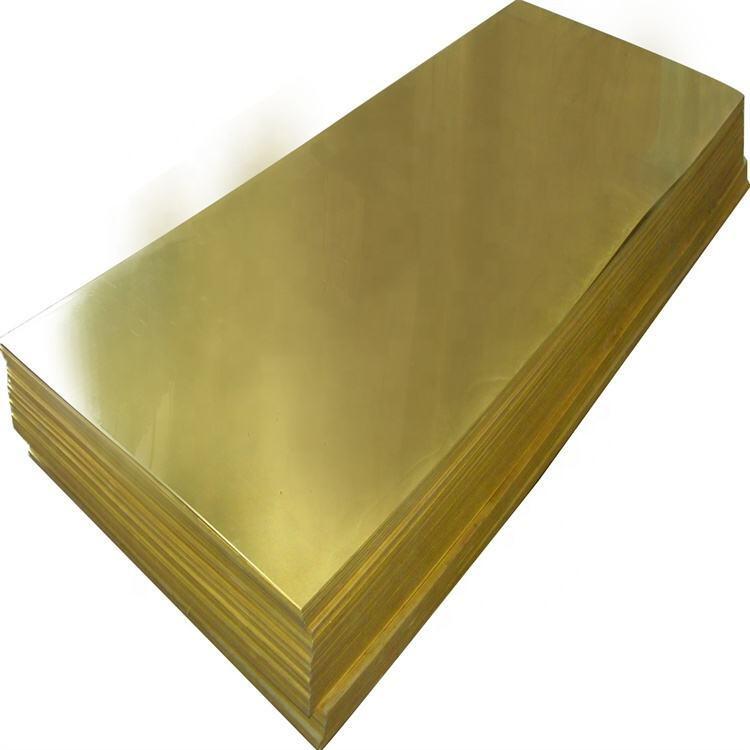
Brass Metal Sheets
Created with Pixso. ASTM C26000 C28000 H62 H65 H70 Brass Sheet and Plate 0.2–10mm for Electrical and Decorative Applications

ASTM C26000 C28000 H62 H65 H70 Brass Sheet and Plate 0.2–10mm for Electrical and Decorative Applications

Brand Name: Sylaith
Model Number: H62, H65, H70, C26000, C2680, C2620
MOQ: 1 Ton
Price: Negotiable
Delivery Time: 7-15 work days, depending on quantity, dimension, and processing requirements
Payment Terms: 30% T/T Advance + 70% Balance
Detail Information
Place of Origin:
China
Certification:
MTC, ISO 9001
Product Name:
Brass Sheet / Plate
Standard:
JIS, ASTM, DIN, EN, ISO
Copper Content:
62%–70% (depending On Grade)
Temper:
O, 1/4H, 1/2H, H
Surface:
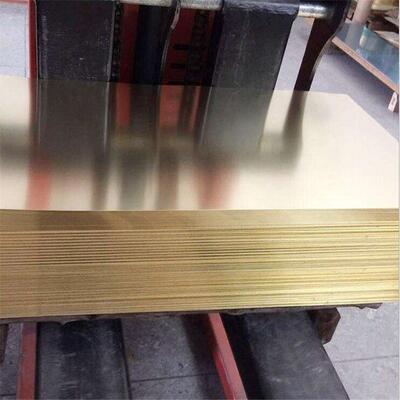
Mill, Bright, Mirror, Hairline, Brushed
Size:
Accept Customzied Sizes
Processing Service:
Bending, Welding, Decoiling, Punching, Cutting
Trade Terms:
EXW / CIF / FOB / CFR
Packaging Details:
Standard export sea-worthy packing or as customers required
Supply Ability:
100+tons/month
Product Description
ASTM C26000 C28000 Brass Sheet H62 H65 H70 Brass Plate 0.2–10mm for Electrical Decorative Applications
Product Overview

ASTM C26000, C28000, H62, H65, and H70 brass sheets and plates are copper-zinc alloy materials widely used in electrical engineering, architectural decoration, precision stamping, hardware manufacturing, and industrial fabrication. These brass alloys combine high formability, excellent corrosion resistance, attractive golden appearance, and reliable mechanical properties, making them suitable for both structural and decorative applications.

Our brass plates are manufactured under strict quality control and supplied in various thicknesses, widths, tempers, and surface finishes. Value-added processing services including laser cutting, bending, punching, welding, polishing, and CNC machining are available to meet OEM and custom fabrication requirements.

Why Choose Brass Sheets

Many engineering projects require materials that balance strength, conductivity, corrosion resistance, and machinability.

Compared with pure copper, brass alloys provide:

  • Higher mechanical strength
  • Better wear resistance
  • Easier machining
  • Lower material cost
  • Improved dimensional stability

Compared with stainless steel, brass offers:

  • Higher electrical conductivity
  • Better thermal conductivity
  • Excellent cold-forming performance
  • Easier engraving and polishing
  • Decorative golden appearance without surface coating

These advantages make brass sheets an ideal choice for electrical, industrial, and decorative applications.

Custom Processing Services

Sylaith Steel supplies brass sheets in multiple ASTM and Chinese grades with flexible processing capabilities.

Available services include:

  • Custom cutting to size
  • Laser cutting
  • CNC machining
  • Punching
  • Bending
  • Welding
  • Mirror polishing
  • Hairline finishing
  • PVC protective film
  • OEM manufacturing

Each order is supplied with strict dimensional inspection and can include EN 10204 3.1 Mill Test Certificate (MTC) upon request.

Technical Specifications
Item Specification
Product Brass Sheet / Brass Plate
ASTM Grades C26000, C28000
Chinese Grades H62, H65, H70
Material Copper-Zinc Brass Alloy
Copper Content 62%-70% (depending on grade)
Standard ASTM, JIS, EN, DIN, GB
Thickness 0.2-10 mm
Width 100-1000 mm
Length 1000-12000 mm or Customized
Temper O, 1/4H, 1/2H, H
Surface Finish Mill, Bright, Mirror, Hairline, Brushed
Processing Service Cutting, Bending, Punching, Welding, Decoiling, CNC Machining
Inspection EN 10204 3.1 MTC, Third-Party Inspection Available
Applications

Electrical Industry

  • Electrical conductors
  • Busbars
  • Switchgear
  • Electrical terminals
  • Connectors
  • Distribution equipment

Decorative Engineering

  • Interior decoration
  • Elevator panels
  • Hotel decoration
  • Architectural cladding
  • Furniture trim
  • Signage
  • Nameplates

Hardware Manufacturing

  • Fasteners
  • Hinges
  • Locks
  • Handles
  • Mechanical fittings
  • Precision hardware

Industrial Fabrication

  • Metal stamping
  • Laser cutting
  • Deep drawing
  • CNC machining
  • Precision fabrication
  • Equipment components
Manufacturing Process

Brass is produced by alloying copper with zinc to achieve a balance of conductivity, strength, corrosion resistance, and formability.

Production typically includes:

  1. Copper and zinc alloy melting
  2. Continuous casting
  3. Hot rolling
  4. Cold rolling
  5. Annealing (according to required temper)
  6. Surface finishing
  7. Precision leveling
  8. Dimensional inspection
  9. Packaging for export

Different copper contents and tempers provide varying levels of ductility, hardness, and strength, allowing the material to meet diverse manufacturing requirements.

Selection Guide

Choose the Appropriate Grade

  • C26000 (Cartridge Brass) - Excellent cold-working properties, ideal for deep drawing, stamping, and electrical components.
  • C28000 (Muntz Metal) - Higher strength and better wear resistance for industrial and marine applications.
  • H62 - Cost-effective with good ductility for general fabrication and decoration.
  • H65 - Better corrosion resistance and balanced strength for precision hardware.
  • H70 - Higher copper content with excellent formability, suitable for deep drawing and electrical products.

Select the Required Thickness

  • 0.2-1 mm: Precision stamping and electronic components
  • 1-3 mm: Decorative panels and electrical conductors
  • 3-6 mm: Mechanical parts and industrial fabrication
  • 6-10 mm: Structural and heavy-duty machining

Choose the Surface Finish

Select according to your application: Mill Finish, Bright Finish, Mirror Finish, Hairline Finish, or Brushed Finish.

Confirm Processing Requirements

If your project requires laser cutting, CNC machining, bending, or punching, choosing the appropriate temper can improve forming performance and machining efficiency.

Frequently Asked Questions
1. What is the difference between C26000 and C28000 brass?
C26000 contains a higher percentage of copper, offering excellent ductility and cold-working performance. C28000 has a higher zinc content, providing increased strength and improved wear resistance for industrial applications.
2. What are the differences between H62, H65, and H70 brass?
The main difference is copper content. H62 offers good cost performance for general use, H65 provides a balanced combination of strength and corrosion resistance, while H70 has higher copper content, making it suitable for deep drawing and electrical applications.
3. Can brass sheets be customized?
Yes. We provide customized thickness, width, length, surface finish, temper, and processing services including cutting, bending, punching, polishing, and CNC machining.
4. What certificates can you provide?
We can provide EN 10204 3.1 Mill Test Certificates (MTC), chemical composition reports, mechanical property reports, and third-party inspection certificates upon request.
5. Which industries commonly use brass sheets?
Brass sheets are widely used in electrical equipment, architectural decoration, hardware manufacturing, precision stamping, automotive components, industrial machinery, furniture fittings, and metal fabrication.
Brass sheet manufacturing and applications Brass sheet surface finishes and textures Brass sheet industrial applications
Good price  online

Products Details

Created with Pixso. Home Created with Pixso. Products Created with Pixso.
Brass Metal Sheets
Created with Pixso. ASTM C26000 C28000 H62 H65 H70 Brass Sheet and Plate 0.2–10mm for Electrical and Decorative Applications

ASTM C26000 C28000 H62 H65 H70 Brass Sheet and Plate 0.2–10mm for Electrical and Decorative Applications

Brand Name: Sylaith
Model Number: H62, H65, H70, C26000, C2680, C2620
MOQ: 1 Ton
Price: Negotiable
Packaging Details: Standard export sea-worthy packing or as customers required
Payment Terms: 30% T/T Advance + 70% Balance
Detail Information
Place of Origin:
China
Brand Name:
Sylaith
Certification:
MTC, ISO 9001
Model Number:
H62, H65, H70, C26000, C2680, C2620
Product Name:
Brass Sheet / Plate
Standard:
JIS, ASTM, DIN, EN, ISO
Copper Content:
62%–70% (depending On Grade)
Temper:
O, 1/4H, 1/2H, H
Surface:
Mill, Bright, Mirror, Hairline, Brushed
Size:
Accept Customzied Sizes
Processing Service:
Bending, Welding, Decoiling, Punching, Cutting
Trade Terms:
EXW / CIF / FOB / CFR
Minimum Order Quantity:
1 Ton
Price:
Negotiable
Packaging Details:
Standard export sea-worthy packing or as customers required
Delivery Time:
7-15 work days, depending on quantity, dimension, and processing requirements
Payment Terms:
30% T/T Advance + 70% Balance
Supply Ability:
100+tons/month
Product Description
ASTM C26000 C28000 Brass Sheet H62 H65 H70 Brass Plate 0.2–10mm for Electrical Decorative Applications
Product Overview

ASTM C26000, C28000, H62, H65, and H70 brass sheets and plates are copper-zinc alloy materials widely used in electrical engineering, architectural decoration, precision stamping, hardware manufacturing, and industrial fabrication. These brass alloys combine high formability, excellent corrosion resistance, attractive golden appearance, and reliable mechanical properties, making them suitable for both structural and decorative applications.

Our brass plates are manufactured under strict quality control and supplied in various thicknesses, widths, tempers, and surface finishes. Value-added processing services including laser cutting, bending, punching, welding, polishing, and CNC machining are available to meet OEM and custom fabrication requirements.

Why Choose Brass Sheets

Many engineering projects require materials that balance strength, conductivity, corrosion resistance, and machinability.

Compared with pure copper, brass alloys provide:

  • Higher mechanical strength
  • Better wear resistance
  • Easier machining
  • Lower material cost
  • Improved dimensional stability

Compared with stainless steel, brass offers:

  • Higher electrical conductivity
  • Better thermal conductivity
  • Excellent cold-forming performance
  • Easier engraving and polishing
  • Decorative golden appearance without surface coating

These advantages make brass sheets an ideal choice for electrical, industrial, and decorative applications.

Custom Processing Services

Sylaith Steel supplies brass sheets in multiple ASTM and Chinese grades with flexible processing capabilities.

Available services include:

  • Custom cutting to size
  • Laser cutting
  • CNC machining
  • Punching
  • Bending
  • Welding
  • Mirror polishing
  • Hairline finishing
  • PVC protective film
  • OEM manufacturing

Each order is supplied with strict dimensional inspection and can include EN 10204 3.1 Mill Test Certificate (MTC) upon request.

Technical Specifications
Item Specification
Product Brass Sheet / Brass Plate
ASTM Grades C26000, C28000
Chinese Grades H62, H65, H70
Material Copper-Zinc Brass Alloy
Copper Content 62%-70% (depending on grade)
Standard ASTM, JIS, EN, DIN, GB
Thickness 0.2-10 mm
Width 100-1000 mm
Length 1000-12000 mm or Customized
Temper O, 1/4H, 1/2H, H
Surface Finish Mill, Bright, Mirror, Hairline, Brushed
Processing Service Cutting, Bending, Punching, Welding, Decoiling, CNC Machining
Inspection EN 10204 3.1 MTC, Third-Party Inspection Available
Applications

Electrical Industry

  • Electrical conductors
  • Busbars
  • Switchgear
  • Electrical terminals
  • Connectors
  • Distribution equipment

Decorative Engineering

  • Interior decoration
  • Elevator panels
  • Hotel decoration
  • Architectural cladding
  • Furniture trim
  • Signage
  • Nameplates

Hardware Manufacturing

  • Fasteners
  • Hinges
  • Locks
  • Handles
  • Mechanical fittings
  • Precision hardware

Industrial Fabrication

  • Metal stamping
  • Laser cutting
  • Deep drawing
  • CNC machining
  • Precision fabrication
  • Equipment components
Manufacturing Process

Brass is produced by alloying copper with zinc to achieve a balance of conductivity, strength, corrosion resistance, and formability.

Production typically includes:

  1. Copper and zinc alloy melting
  2. Continuous casting
  3. Hot rolling
  4. Cold rolling
  5. Annealing (according to required temper)
  6. Surface finishing
  7. Precision leveling
  8. Dimensional inspection
  9. Packaging for export

Different copper contents and tempers provide varying levels of ductility, hardness, and strength, allowing the material to meet diverse manufacturing requirements.

Selection Guide

Choose the Appropriate Grade

  • C26000 (Cartridge Brass) - Excellent cold-working properties, ideal for deep drawing, stamping, and electrical components.
  • C28000 (Muntz Metal) - Higher strength and better wear resistance for industrial and marine applications.
  • H62 - Cost-effective with good ductility for general fabrication and decoration.
  • H65 - Better corrosion resistance and balanced strength for precision hardware.
  • H70 - Higher copper content with excellent formability, suitable for deep drawing and electrical products.

Select the Required Thickness

  • 0.2-1 mm: Precision stamping and electronic components
  • 1-3 mm: Decorative panels and electrical conductors
  • 3-6 mm: Mechanical parts and industrial fabrication
  • 6-10 mm: Structural and heavy-duty machining

Choose the Surface Finish

Select according to your application: Mill Finish, Bright Finish, Mirror Finish, Hairline Finish, or Brushed Finish.

Confirm Processing Requirements

If your project requires laser cutting, CNC machining, bending, or punching, choosing the appropriate temper can improve forming performance and machining efficiency.

Frequently Asked Questions
1. What is the difference between C26000 and C28000 brass?
C26000 contains a higher percentage of copper, offering excellent ductility and cold-working performance. C28000 has a higher zinc content, providing increased strength and improved wear resistance for industrial applications.
2. What are the differences between H62, H65, and H70 brass?
The main difference is copper content. H62 offers good cost performance for general use, H65 provides a balanced combination of strength and corrosion resistance, while H70 has higher copper content, making it suitable for deep drawing and electrical applications.
3. Can brass sheets be customized?
Yes. We provide customized thickness, width, length, surface finish, temper, and processing services including cutting, bending, punching, polishing, and CNC machining.
4. What certificates can you provide?
We can provide EN 10204 3.1 Mill Test Certificates (MTC), chemical composition reports, mechanical property reports, and third-party inspection certificates upon request.
5. Which industries commonly use brass sheets?
Brass sheets are widely used in electrical equipment, architectural decoration, hardware manufacturing, precision stamping, automotive components, industrial machinery, furniture fittings, and metal fabrication.
Brass sheet manufacturing and applications Brass sheet surface finishes and textures Brass sheet industrial applications