|
|
| Brand Name: | SLAST |
| Model Number: | ASTM A36 / A283 / A516 Gr.70 / Q235 / Q345B |
| MOQ: | 10 Ton |
| Price: | Negotiable |
| Delivery Time: | 7-15 work days |
| Payment Terms: | 30% T/T Advance + 70% Balance |
![]()
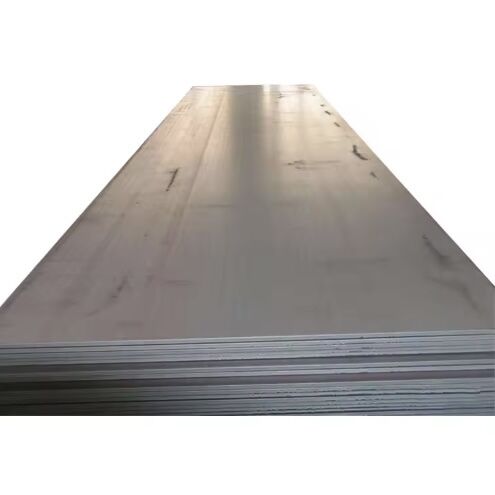
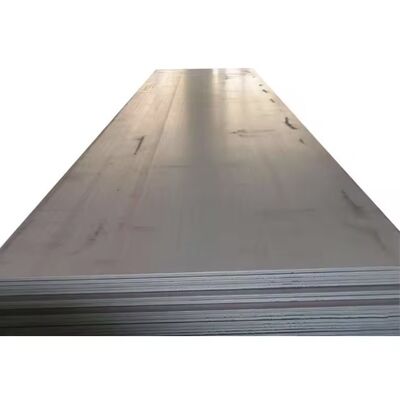
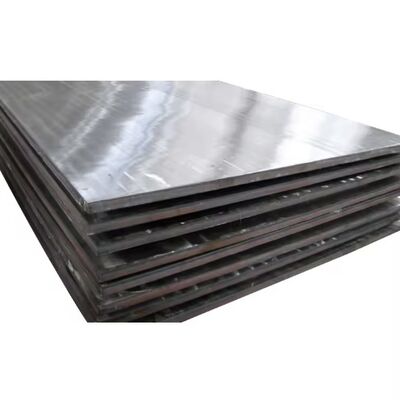
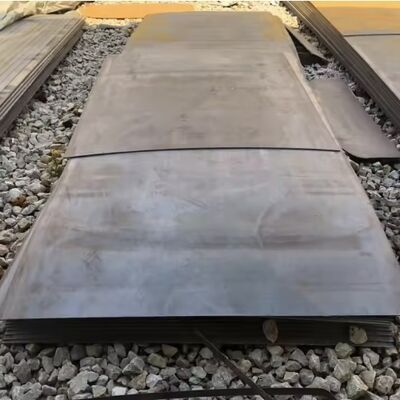
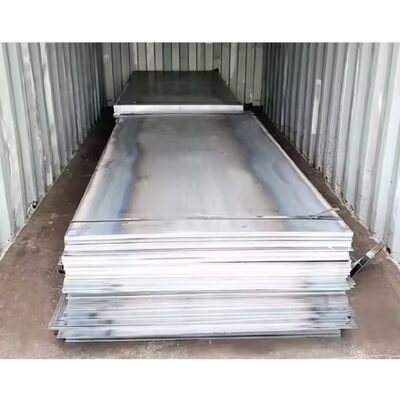
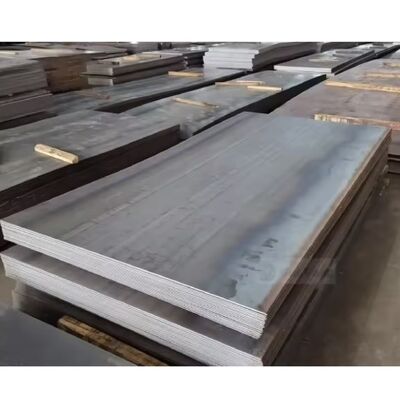
Hot Rolled Steel Sheet is a fundamental material in the modern industrial landscape, produced by heating steel billets above their recrystallization temperature (typically 1100°C–1300°C) and rolling them into the required thickness. Manufactured by Wuxi in Jiangsu, China, this product combines strength, formability, and cost-effectiveness, making it the preferred choice for a wide range of structural and manufacturing applications.
Our Prime Hot Rolled Carbon Steel Plate adheres strictly to ASTM International Standards, ensuring consistent quality and mechanical performance. Whether you need material for heavy fabrication or as a base for cold rolling processes, this product delivers reliability and versatility.
Economical: The hot rolling process involves fewer steps than cold rolling, resulting in lower production costs and a more affordable final product.
Excellent Workability: High ductility allows for easy cutting, bending, welding, and punching into desired shapes.
Wide Range: Available in various thicknesses and sizes to meet diverse project requirements.
Energy Efficient: The high plasticity of the metal during processing reduces deformation resistance and energy consumption.
The versatility of this carbon steel plate sheet makes it suitable for numerous industries:
Ship Building: Used for structural hull components and internal frameworks.
Boiler & Pressure Vessels: Ideal for manufacturing boiler shells and tanks due to its strength and weldability.
Container Manufacturing: Perfect for fabricating shipping containers and storage tanks.
Pipe & Tube Making: Serves as the base material (skelp) for producing welded pipes and tubes.
Cold Rolling Substrate: Used as raw material for further processing into cold rolled steel products.
General Fabrication: Suitable for making small tools, machine parts, and general structural components.
Hot rolled steel is created through a specific metallurgical process:
Heating: Steel slabs or billets are heated in a furnace to temperatures above their recrystallization point (usually 1100°C to 1300°C).
Rolling: The heated, red-hot steel is passed through a series of large rolling stands. This high pressure reduces the thickness and lengthens the material into a continuous coil or sheet. Because the steel is so hot, it is easy to shape and requires less force to deform.
Cooling: After achieving the desired thickness, the steel is run over a cooling bed or through water cooling systems to bring it back to room temperature.
Finishing: The cooled steel is then leveled, cut to length, or recoiled, and inspected before being prepared for shipment.
Q1: What is the difference between hot rolled and cold rolled steel?
A: Hot rolled steel is processed at high temperatures, making it easier to form and more cost-effective. It has a scaled, rougher surface. Cold rolled steel is essentially hot rolled steel that has undergone further processing at room temperature to achieve a smoother surface finish and tighter dimensional tolerances.
Q2: What is "Skin Pass"?
A: Skin Pass (or Temper Rolling) is a light cold rolling step performed after hot rolling. It slightly reduces the thickness, improves the surface finish, and helps prevent "stretcher strains" (Lüders lines) that can appear during forming.
Q3: Can you provide a sample?
A: Yes, samples are provided and available upon request.
Q4: What payment terms do you accept?
A: We typically accept 30% TT advance payment with 70% balance.
Q5: Is the steel suitable for welding?
A: Absolutely. The grades offered (like Q235 and SS400) are low-carbon steels known for their excellent weldability, making them suitable for shipbuilding and structural applications.
![]()
![]()
|
| Brand Name: | SLAST |
| Model Number: | ASTM A36 / A283 / A516 Gr.70 / Q235 / Q345B |
| MOQ: | 10 Ton |
| Price: | Negotiable |
| Packaging Details: | Standard export sea-worthy packing or as customers required |
| Payment Terms: | 30% T/T Advance + 70% Balance |
![]()
Hot Rolled Steel Sheet is a fundamental material in the modern industrial landscape, produced by heating steel billets above their recrystallization temperature (typically 1100°C–1300°C) and rolling them into the required thickness. Manufactured by Wuxi in Jiangsu, China, this product combines strength, formability, and cost-effectiveness, making it the preferred choice for a wide range of structural and manufacturing applications.
Our Prime Hot Rolled Carbon Steel Plate adheres strictly to ASTM International Standards, ensuring consistent quality and mechanical performance. Whether you need material for heavy fabrication or as a base for cold rolling processes, this product delivers reliability and versatility.
Economical: The hot rolling process involves fewer steps than cold rolling, resulting in lower production costs and a more affordable final product.
Excellent Workability: High ductility allows for easy cutting, bending, welding, and punching into desired shapes.
Wide Range: Available in various thicknesses and sizes to meet diverse project requirements.
Energy Efficient: The high plasticity of the metal during processing reduces deformation resistance and energy consumption.
The versatility of this carbon steel plate sheet makes it suitable for numerous industries:
Ship Building: Used for structural hull components and internal frameworks.
Boiler & Pressure Vessels: Ideal for manufacturing boiler shells and tanks due to its strength and weldability.
Container Manufacturing: Perfect for fabricating shipping containers and storage tanks.
Pipe & Tube Making: Serves as the base material (skelp) for producing welded pipes and tubes.
Cold Rolling Substrate: Used as raw material for further processing into cold rolled steel products.
General Fabrication: Suitable for making small tools, machine parts, and general structural components.
Hot rolled steel is created through a specific metallurgical process:
Heating: Steel slabs or billets are heated in a furnace to temperatures above their recrystallization point (usually 1100°C to 1300°C).
Rolling: The heated, red-hot steel is passed through a series of large rolling stands. This high pressure reduces the thickness and lengthens the material into a continuous coil or sheet. Because the steel is so hot, it is easy to shape and requires less force to deform.
Cooling: After achieving the desired thickness, the steel is run over a cooling bed or through water cooling systems to bring it back to room temperature.
Finishing: The cooled steel is then leveled, cut to length, or recoiled, and inspected before being prepared for shipment.
Q1: What is the difference between hot rolled and cold rolled steel?
A: Hot rolled steel is processed at high temperatures, making it easier to form and more cost-effective. It has a scaled, rougher surface. Cold rolled steel is essentially hot rolled steel that has undergone further processing at room temperature to achieve a smoother surface finish and tighter dimensional tolerances.
Q2: What is "Skin Pass"?
A: Skin Pass (or Temper Rolling) is a light cold rolling step performed after hot rolling. It slightly reduces the thickness, improves the surface finish, and helps prevent "stretcher strains" (Lüders lines) that can appear during forming.
Q3: Can you provide a sample?
A: Yes, samples are provided and available upon request.
Q4: What payment terms do you accept?
A: We typically accept 30% TT advance payment with 70% balance.
Q5: Is the steel suitable for welding?
A: Absolutely. The grades offered (like Q235 and SS400) are low-carbon steels known for their excellent weldability, making them suitable for shipbuilding and structural applications.
![]()
![]()